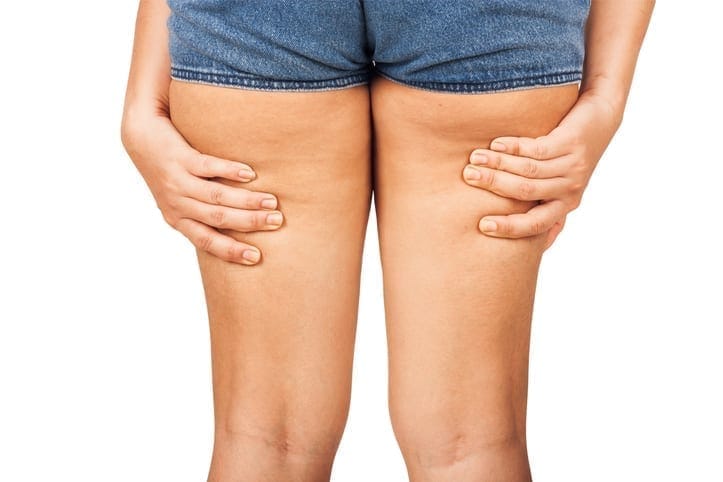
Thigh Chafing During Periods in the Summer: Why It Happens And How To Manage It nuawoman.com
What this blog covers about thigh chafing during periods in the summer:
Chafing is a friction burn: when your inner thighs rub together, the constant rubbing wears away the top layer of skin and leaves it raw, red and stinging.
Sweat makes it worse, because wet skin has a much higher friction coefficient than dry skin, so damp thighs grip and tear instead of gliding.
Periods stack the odds against you. In the days around your period your body runs warmer and sweats more, and a pad adds a layer of heat and trapped moisture right at the source.
Breathable shorts or anti-chafe bands cut the skin-on-skin contact, while moisture-absorbing powders like cornstarch keep the area dry.
Soothing agents like aloe vera calm the inflammation, and a barrier balm lets the skin slide instead of snag.
Choosing a soft, breathable pad reduces the heat and friction your skin is already fighting, so the whole area stays calmer.
That hot, raw, why-is-there-a-fire-between-my-legs feeling has a name, and almost every woman knows it even if she has never said it out loud. Thigh chafing during periods in the summer is one of those quiet discomforts we all power through, smiling through a coffee date while every step feels like sandpaper. The summer heat, the sweat, the constant rub of thigh against thigh, and then a period layered on top of all of it, it’s too much irritation to handle.
Here is the part nobody explains: chafing is not a hygiene problem and it is not about your body shape. Slim thighs chafe. Athletic thighs chafe. It is simple physics meeting biology, and once you understand the mechanics, the remedies feel intuitive.
So. let’s actually talk about why it happens, and how to make it stop.
What exactly is thigh chafing, and why does it hurt so much?
Thigh chafing is a friction injury. Your skin is literally being sanded down by repeated rubbing. Dermatologists call the chronic version intertrigo, and the name itself tells the story. It comes from the Latin inter, meaning between, and terere, meaning to rub.
When your thighs rub together, the back-and-forth motion creates shear stress, a sideways force that drags the top layer of skin one way while the deeper layers stay put. Repeat that a few thousand times on a walk and skin cells start peeling apart. Your body reads the damage as an injury and floods the area with immune signals, which is exactly why chafed skin turns red, swells and feels warm. Research on how chafing develops describes how that friction triggers an inflammatory response in the skin, and how continued rubbing can take it from a faint pink patch to cracked, raw, weeping skin. That is the burning sensation, it is inflamed nerve endings.
Report StoryRelated Stories
-
Maternity Panties 101: Everything You Need to Know

-
Why Gynaecologist and Dermatologist Approved Pads Belong in Your Bathroom
-
5 things you should never say to a woman on...

-
Why do we cry after sex: Understanding Emotional Release After...
-
Inside the Self-Cleaning Vagina: What’s Really Going On Down There

-
Period Panties vs. Diapers: What Makes Them Different?

-
Period Flu Explained: Understanding Body Temperature Change During Your Period

-
Debunking Myth: Washing Hair on Your Periods Can Make You...

-
Why Is Vaginal Skin Darker? A Doctor Explains
-
Postpartum Blood Clots: What’s Normal and What’s Not

Popular Stories
-
Why a ServiceNow Administrator Course Is Becoming a Smart Choice... onlineitguru.com
-
DevOps Full Course: A Complete Learning Path to Build a... onlineitguru.com
-

Maternity Panties 101: Everything You Need to Know nuawoman.com
-
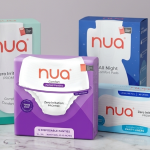
Why Gynaecologist and Dermatologist Approved Pads Belong in Your Bathroom nuawoman.com
-

5 things you should never say to a woman on... nuawoman.com
Recent Stories
-
Why a ServiceNow Administrator Course Is Becoming a Smart Choice... onlineitguru.com
-
DevOps Full Course: A Complete Learning Path to Build a... onlineitguru.com
-
Maternity Panties 101: Everything You Need to Know nuawoman.com
-
Why Gynaecologist and Dermatologist Approved Pads Belong in Your Bathroom nuawoman.com
-
5 things you should never say to a woman on... nuawoman.com
Trending Stories
-
Why a ServiceNow Administrator Course Is Becoming a Smart Choice... onlineitguru.com
-
DevOps Full Course: A Complete Learning Path to Build a... onlineitguru.com
-
Maternity Panties 101: Everything You Need to Know nuawoman.com
-
Why Gynaecologist and Dermatologist Approved Pads Belong in Your Bathroom nuawoman.com
-
5 things you should never say to a woman on... nuawoman.com
Recent Comments